Outdoor learning gives children a direct way to notice light, warmth, weather and the world around them. For older pupils, a simple solar panel efficiency guide can even connect sunlight lessons with how clean energy is produced.
Sun safety education works best when it feels practical rather than frightening. Children do not need a complicated lecture to understand that the sun can be helpful and harmful at the same time. They need clear habits, repeated often, in places where those habits make sense: playgrounds, sports days, school trips, gardens, beaches and family walks.
The goal is not to make children afraid of the sun. The goal is to help them enjoy being outside with confidence and care.
Sunlight Is a Good Starting Point for Outdoor Learning
Children are naturally curious about sunlight. They notice shadows, warmth, glare, bright colors and how different the playground feels on a sunny day. That curiosity makes sun safety easier to teach because it begins with something they can see and feel.
A strong lesson can start with a simple question: what does the sun help us do, and when do we need to protect ourselves from it?
Sunlight helps us explore
Sunny days encourage outdoor play, movement, games, sports and nature activities. They also create useful teaching moments about seasons, weather, shadows, plants and renewable energy.
Sunlight also needs respect
At the same time, children should learn that too much unprotected exposure can lead to sunburn, discomfort and long-term skin concerns. The lesson is balanced: sunlight is useful, but protection matters.
A useful classroom phrase
Try using simple wording such as: “The sun helps us play and learn, but our skin and eyes need care when we are outside.”
Make Sun Safety Part of the Routine
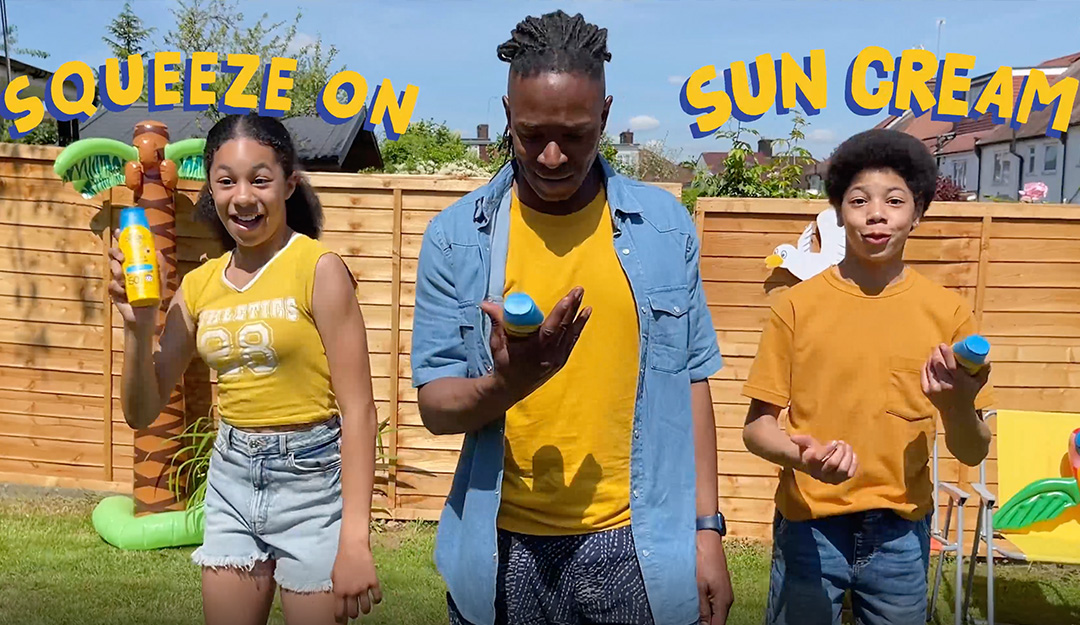
The easiest habits for children to remember are the ones built into normal routines. Sun protection should not feel like an extra task that only happens on very hot days. It can become part of preparing for outdoor time.
Before going outside
- Check whether hats, sunglasses or protective clothing are needed.
- Apply suitable sunscreen before outdoor activities.
- Fill water bottles for longer sessions outside.
- Talk briefly about where shade can be found.
- Remind children that cloudy days can still require care.
During outdoor play
Teachers, parents and activity leaders can encourage shade breaks, water breaks and reapplication of sunscreen when needed. The reminders should be calm and normal, not dramatic.
Children are more likely to follow sun-safe habits when adults model them consistently.
Teach Shade as a Smart Choice
Shade is one of the simplest sun safety ideas for children to understand. It can be taught through observation, movement and games rather than only through explanation.
Simple shade activities
- Ask children to find the coolest shaded spot in the playground.
- Trace shadows at different times of the day.
- Compare how long shadows look in the morning and afternoon.
- Discuss why trees, umbrellas and shelters help during sunny weather.
- Create a “shade map” of the school grounds.
Shade is not the place where outdoor fun stops. It is the place where children can pause, cool down and get ready to play again.
Connect shade with science
A shade activity can become a simple science lesson. Children can compare temperature, light and comfort in sunny and shaded places, then discuss why the difference matters.
Use Clothing as a Visual Lesson
Protective clothing is easy for children to understand because it is visible. Hats, sleeves and sunglasses can become part of a practical discussion about how different parts of the body need protection outdoors.
Questions children can answer
- Which hat gives more shade to the face?
- Why might sunglasses help on a bright day?
- Which clothing feels cooler but still covers the skin?
- What would you pack for a sunny school trip?
- What would you wear for sports day?
This kind of activity works well because it lets children make choices. Instead of simply being told what to wear, they can compare options and explain their reasoning.
Sunscreen: Keep the Message Simple
Sunscreen can be a difficult topic for younger children because it involves timing, coverage and reapplication. The message should be simple: sunscreen helps protect exposed skin, but it works best when applied properly and used alongside shade and clothing.
Classroom-friendly points
- Sunscreen should cover exposed skin.
- It needs time to be applied before outdoor play.
- It may need to be reapplied during longer outdoor activities.
- It does not replace hats, shade or sensible clothing.
- Families should follow product instructions and school policies.
Make it practical, not messy
For schools, it helps to have a clear routine agreed with families. Children should know when sunscreen is used, where it is kept and which adults can help if needed.
Bring Solar Energy Into the Conversation
Sun safety and solar energy may seem like separate topics, but they can work together in a classroom. Both help children understand that sunlight has power. That power can warm skin, create shadows, grow plants and produce electricity through solar technology.
This makes the topic more rounded. The sun is not only something to avoid. It is a natural force that people learn to respect, use and manage wisely.
Simple solar learning ideas
- Show how a solar garden light charges during the day and turns on at night.
- Use a small solar toy or classroom panel to demonstrate energy conversion.
- Compare sunny and shaded panel positions.
- Ask children where a solar panel would work best on school grounds.
- Discuss how sunlight can be useful while still requiring skin protection.
A child can learn two ideas at once: sunlight is powerful enough to make electricity, and powerful enough that our bodies need protection outdoors.
Outdoor Learning Activities That Reinforce Sun Safety
Sun-safe habits become stronger when children use them during real outdoor activities. A single classroom lesson is helpful, but repeated practice is what turns the message into behavior.
Activity 1: Pack for the adventure
Ask children to imagine a sunny outdoor trip. They choose what to pack: water, hat, sunglasses, sunscreen, light clothing, snack, map or notebook. Then they explain why each item helps.
Activity 2: The shadow detective walk
Take a short walk around the school grounds and ask children to identify places with strong sun, partial shade and full shade. They can draw a simple map afterward.
Activity 3: Sun-safe poster challenge
Children create posters with simple messages for younger pupils or families. This works well because they have to explain the idea clearly, not just repeat it.
Activity 4: Solar object investigation
Use a solar light, solar calculator or small panel to show how sunlight can power an object. Then discuss why the object works better in direct sun than in shade.
Keep activities short and repeatable
Sun safety lessons do not need to be long. Short reminders before outdoor time can be just as valuable as a full activity when they happen regularly.
For Families: Make Sun Safety Easy to Remember
Families play a key role in building sun-safe habits. Children notice what adults do. If hats, sunscreen, shade and water are treated as normal parts of outdoor life, children are more likely to accept them too.
A simple family checklist
- Keep hats and sunglasses near the door during sunny months.
- Pack sunscreen for day trips, sports and holidays.
- Plan shade breaks during longer outdoor activities.
- Use outdoor play as a chance to talk about sunlight and protection.
- Remind children that clouds do not always mean protection is unnecessary.
The habit is easier when the preparation is visible and routine.
For Schools: Build the Message Into the Day
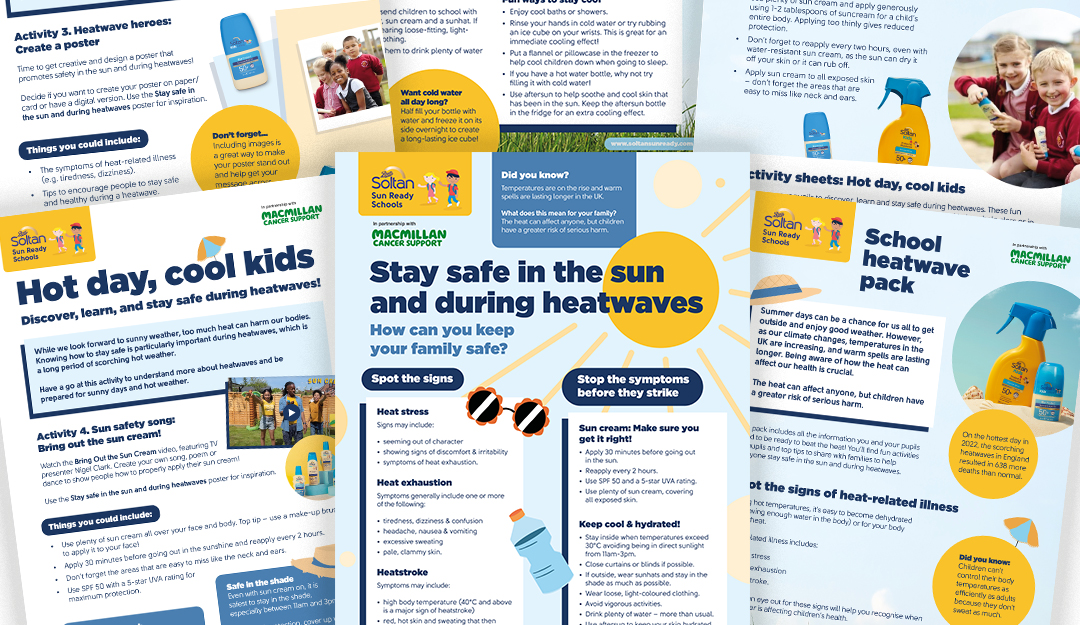
Schools can make sun safety part of everyday culture without making it feel heavy. Assemblies, posters, playground reminders, curriculum activities and parent communications can all support the same message.
Practical school ideas
- Create shaded rest zones for break times.
- Use pupil-made posters near exits and playground doors.
- Include sun safety in summer event planning.
- Remind families before sports days and outdoor trips.
- Connect sun safety with science, geography and health lessons.
- Encourage staff to model protective habits outdoors.
A whole-school message
The most effective message is simple and repeated: enjoy the outdoors, prepare before going out and protect skin and eyes when the sun is strong.
Final Thoughts
Sun safety education works best when it is positive, practical and connected to real outdoor experiences. Children can learn that sunlight is useful, beautiful and powerful, while also understanding why protection matters.
By combining outdoor play, shade awareness, sunscreen routines, protective clothing and simple solar energy lessons, schools and families can help children build habits that feel natural. The result is not less outdoor time. It is better-prepared outdoor time.